The ESDEUS project – entitled European Universities as Community Leaders in Education for Sustainable Development – highlights the importance of integrating Education for Sustainable Development (ESD) into university curricula to advance the “third mission” of universities. By examining and comparing data from governments and universities in Poland, Sweden, Portugal, and Italy, the study aims to provide insights that can inform more effective teaching and learning strategies regarding this highly important issue.
The topic of Education for Sustainable Development (ESD) involves integrating key social and environmental issues into university curricula, whether through general or transversal competencies. ESD encompasses critical outcomes such as promoting ethical behavior, combating poverty, advancing gender equality, fostering health, protecting human rights, valuing cultural diversity, supporting peace, encouraging responsible production and consumption, and ensuring equitable access to Information and Communication Technologies (ICT). These elements align closely with the 2030 Agenda and the Sustainable Development Goals (SDGs) (UNESCO, n.d.; United Nations, n.d.).
Autoría: Clotilde Lechuga-Jiménez
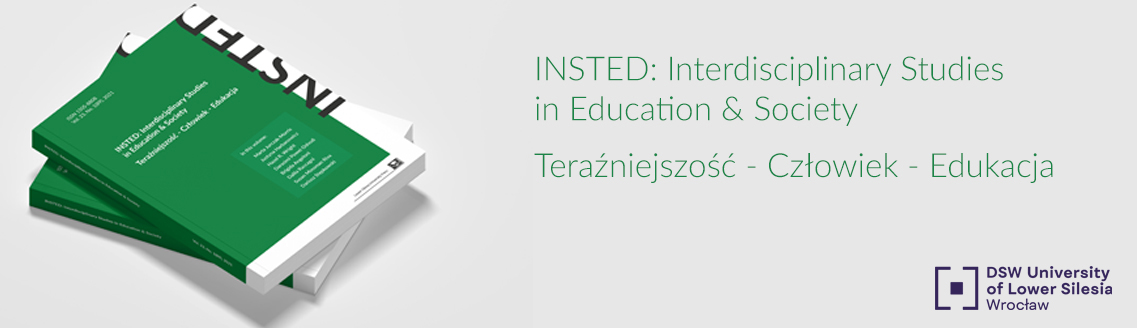
Lechuga-Jiménez, C. (2025). Education for Sustainable Development in European Universities. ESDEUS Project Report. INSTED: Interdisciplinary Studies in Education & Society, 27(2(98), 87–93.
Enlace acceso abierto: https://doi.org/10.34862/tce.2025.2.7